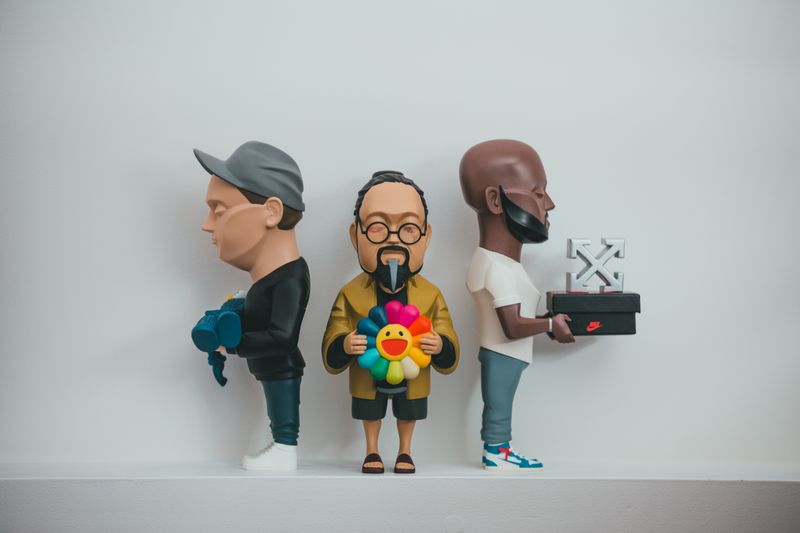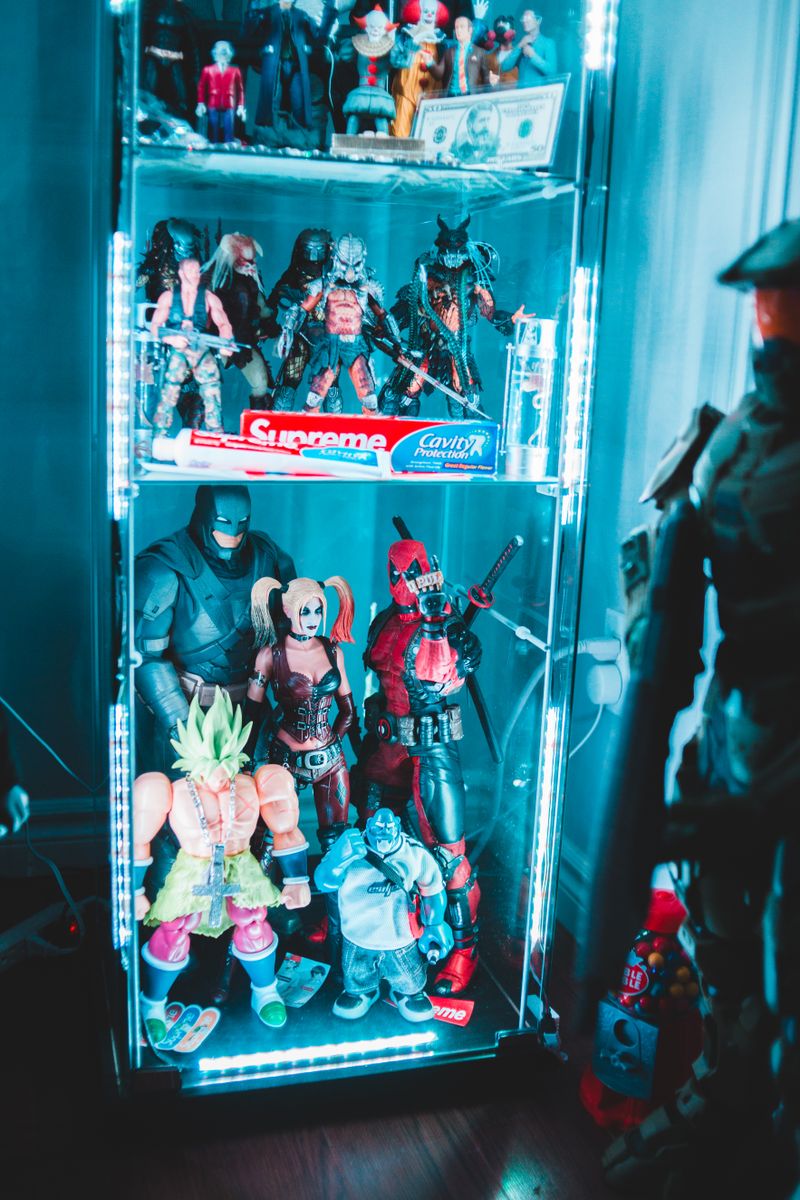
Designer Toy Lore: How Storytelling Drives Collectible Value
The collectible market has crossed a clear threshold: characters with a story now outperform characters that are just cute. Resale data bears this out, with narrative-heavy IP like Skullpanda posting a 132% resale jump and Hacipupu a 281% spike between quarters, while the once-dominant Labubu cooled off as production scaled. Lore is no longer a nice-to-have; it is the difference between a figure you buy and a figure you keep. Here is how art toy storytelling works and why it drives long-term value.
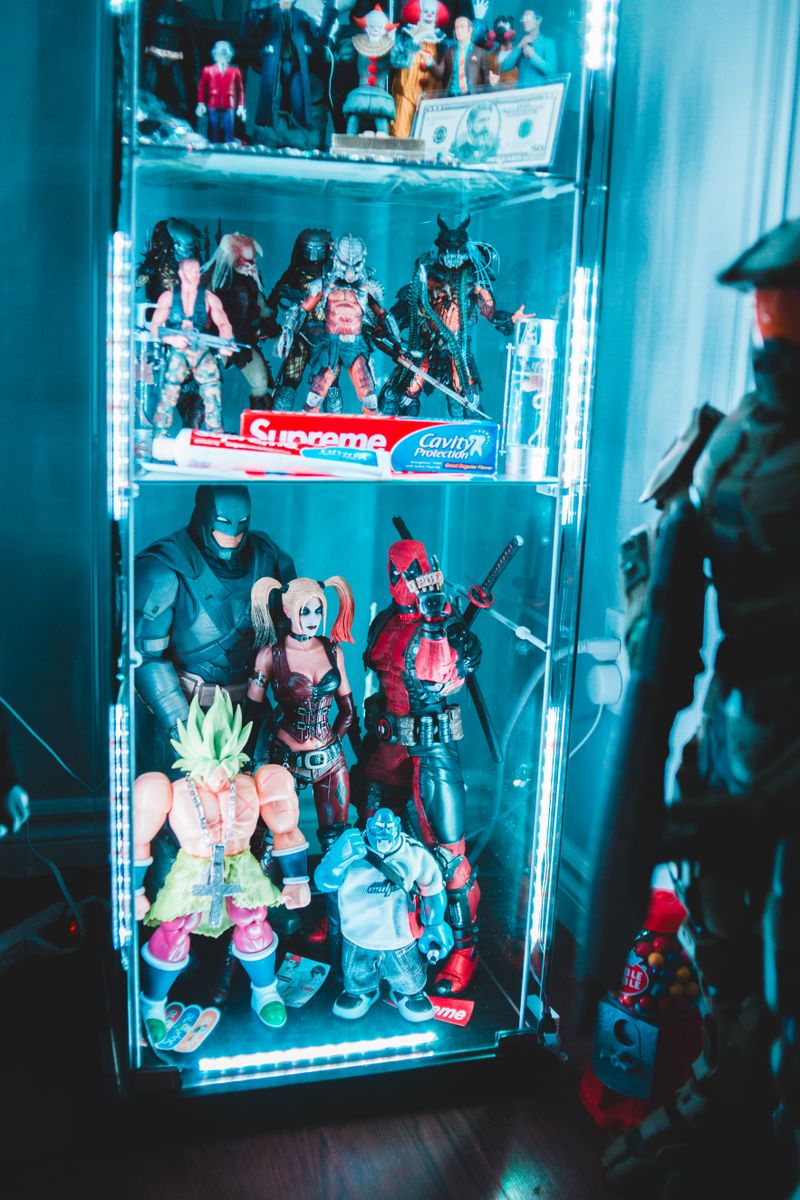
Why Lore Is What Separates Collectibles From Novelties
A toy without a story is a product. A toy with a story is a character. When a figure has a name, a personality, and a place in a larger world, it gives the collector something to attach to that goes beyond the object itself. That attachment is what turns a one-off purchase into a recurring hobby and what keeps a figure on a shelf years after the trend that sold it has passed.
The shift is measurable. The broader designer toy market has moved away from pure aesthetics toward pieces that offer emotional connection. Characters built around vulnerability, mischief, or a world of their own consistently draw deeper loyalty, which is why brands now invest as much in narrative design as in sculpting.
The Mechanics of Art Toy Storytelling
Effective art toy lore usually works on three layers. The first is the character: a distinct personality and a visual hook you can describe in one sentence. The second is the setting: a shared world that ties a lineup together and gives new releases somewhere to live. The third is the arc: the sense that the story is moving, so each drop adds something instead of repeating it.
BaiChaoHui runs all three layers through its Zombie Party universe. The characters are anchored by Lokiki, the setting is the fictional Tang Meng Street, and every release extends the same narrative. That structure is why the line reads as a world rather than a random assortment of monsters.
Story as a Resale Multiplier
Narrative does not just sell the first figure; it props up the secondary market. A character with an ongoing story gives collectors a reason to hunt for older, out-of-print pieces, because those pieces are chapters in a narrative they now care about. This is the same dynamic that keeps discontinued series trading above retail long after their initial run.
It also feeds the social engine. Collectors photograph, trade, and argue about characters with lore in a way they never do about a generic cute face. That user-generated conversation is free marketing, and it compounds every time a brand adds a new chapter.
What This Means for Collectors
If you are choosing where to put your money, follow the story. A figure with real lore, a consistent cast, and a world that is still expanding is more likely to hold your interest, and its value, than a design chasing this month’s trend. The Zombie Party line is a useful example of the model working: a central character, a shared street, and a tone that is distinctive enough to be remembered.
Look at the universe behind the figure, not just the face on the front. That is the difference between collecting objects and collecting stories.
Frequently Asked Questions
What is designer toy lore?
Designer toy lore is the story, personality, and world built around a collectible character. It gives a figure context beyond its looks, turning a product into a narrative collectors can follow and share.
Why does storytelling increase collectible value?
A narrative gives collectors an emotional reason to keep a piece and a community reason to talk about it. Narrative-driven characters tend to hold attention and resale interest longer than aesthetic-only designs.
How do brands like BaiChaoHui use storytelling?
BaiChaoHui builds its Zombie Party universe around shared lore and a central setting, Tang Meng Street, so each new release extends a story rather than standing alone.